Our Plants
Around 90 to 95% of the plants in our products are grown right here in our garden, so we know exactly where every leaf, flower and berry has come from. This page introduces some of the plants we work with, how they have traditionally been used, and any cautions worth knowing (for example during pregnancy, or alongside certain medications or health conditions). I am only focusing on the attributes of the plant that relate to the product it's used in, as all of these previous plants have a very wide range of uses, both internally and externally. The information here is for general interest only and isn't medical advice; please check with your health professional if you're unsure whether a product is right for you.
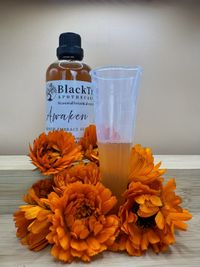
Calendula (Calendula officinalis)
Herbal sunshine
In our garden: Calendula grows everywhere in my garden - I have let it grow wherever it likes to ensure optimal growing conditions. It loves the Sun and is one of the first flowers to appear in the spring, sometimes flowering throughout the year (hence the name loosely translating to "calendar"), although I never harvest in the colder months as the flowers need a "full charge" from the sun to increase potency.
Traditional use: In Western Medicine, Calendula has been used internally to encourage lymphatic drainage, as a gentle liver herb and to repair internal wounds in the digestive system. Emotionally, Calendula has traditionallybeen thought of to lift the spirits, ease sorrow and therefore help one move ahead and feel positive. Externally, Calendula is a plant that simply cannot be left out of a skin product aimed at healing wounds, burns, acne, fungal infections, dry skin, sunburn, nappy rash, cracked nipples, chapped lips and eczema.
Found in: Skin Salve, Thrive, Restore, Shimmer, Rose & Calendula body cream, Vanilla & Black Raspberry body cream, Awaken.
Cautions: Some are allergic to plants from the Asteraceae family so patch test first with products containing Calendula.
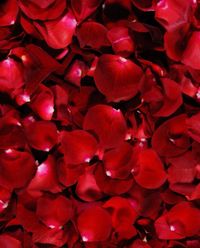
Rose (Rosa gallica/R. rugosa)
Queen of flowers
In our garden: I have roses in the centre of my garden, and the rose petals are harvested in summer when they are at their peak. The hips are harvested around autumn when they're dark red and ripe.
Traditional use: Rose is the symbol of many ancient goddesses, including Isis and Aphrodite. It is a herb of love - holding one and inhaling the scent instantly makes any worry float away. Roses have traditionally been used in medicine to heal the heart, to offer support during times of grief and trauma, to uplift the spirits and to seek out what one's heart's desires. The petals are soothing and rejuvenating to the skin and the hips are packed full of Vitamin C, an antioxidant for the skin, as well as Vitamin A and EFA's.
Found in: Thrive, Shimmer, Rose & Calendula body cream, Lavender & Chamomile body cream, Transform, Elderflower & Violet facial balm.
Cautions: Very safe for anyone.
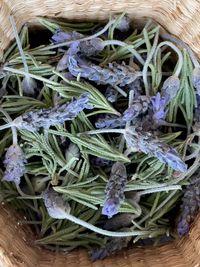
Lavender (Lavandula angustifolia)
Plant it for the bees, if nothing else
In our garden: I have Lavender plants along the border in a drier part of the garden, which they prefer. I harvest the flowers and some leaf late spring and right through summer.
Traditional use: Lavender conjures up images of the elderly and their lavender scented toiletries, but it's oh so much more than that. If you can get past that association and try lavender for the wide range of outstanding traditional uses, you won't look back. Traditionally applied externally as an essential oil or infused oil to cuts, burns, stings, bites, sores and infections and on the temples for headaches. A small amount in a tea blend can help with insomnia, stress and worry. The flowers can be directly put into a bath to help ease the stress of a day away and help prepare for sleep. An excellent herb for children to calm them down and soothe fears.
Found in: Unwind, Relieve, Skin, Lavender & Chamomile body cream.
Cautions: Very safe for anyone.
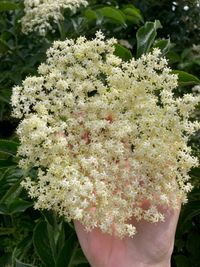
Elder (Sambucus nigra)
Matriarch of the Garden
In our garden: I have three Elders in my garden, each on the outer of the garden, acting as protectors and matriarchs. The flowers are harvested in mid to late Spring and the berries when they are a deep/purple black (but there is a fight with the birds to get them!).
Traditional use: Elderflowers have been held in high regard for centuries for the soothing and skin brightening flavonoids and phenolic acids. They have been traditionally thought to slow down the aging process by protecting the skin from oxidative stress. Elderflowers have many, many traditional uses but I will just inform you of their value in skin products.
Found in: Thrive, Elderflower & Violet facial balm.
Cautions: No known safety warnings.
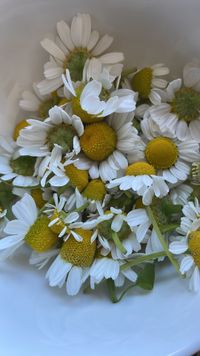
Chamomile (Matricaria recutita)
Ground apple
In our garden: Chamomile seeds and flowers all over my garden. Her flowers - that smell like apples - start mid Spring and I do a continuous daily harvest right through until the end of Summer. The lengthy time it takes to harvest individual flowers has taught me patience and slowing down to enjoy what really matters.
Traditional use: Chamomile has been highly revered for its support and care in various digestive issues such as bloating, colic, heartburn, indigestion, wind and peptic ulcers. Externally it is soothing to dry, chapped skin, eczema, sun burn, wind burn, rashes and cracked nipples.
Found in: Benefit, Surrender, Unwind, Lavender and Chamomile body cream, Skin salve.
Cautions: Being from the Asteraceae family, it may cause an allergic reaction on the skin so patch test first.
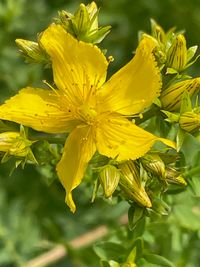
St John's Wort (Hypericum perfoliatum)
Light in the darkness
In our garden: St John's Wort grows in a dry, less tended part of the garden which is where she prefers to grow. I harvest the flowering tops when summer really heats up and the plants have been charged for a few days by the Sun. That ensures I get potent medicine with the deepest red extractions.
Traditional use: There are books written solely on the myriads of traditional uses and applications that St John's wort has but with regards to my products, I have included it for the traditional external skin healing abilities for burns, cuts, puncture wounds, scars, cold sores, neuralgia, as well as its support during tense, sad and anxious times.
Found in: Rebuild, Repair, Relieve, Wound Salve.
Cautions: Can cause photosensitivity so caution must be taken when out in the sun.